 979-775-4100
 Email Us
 Call Us
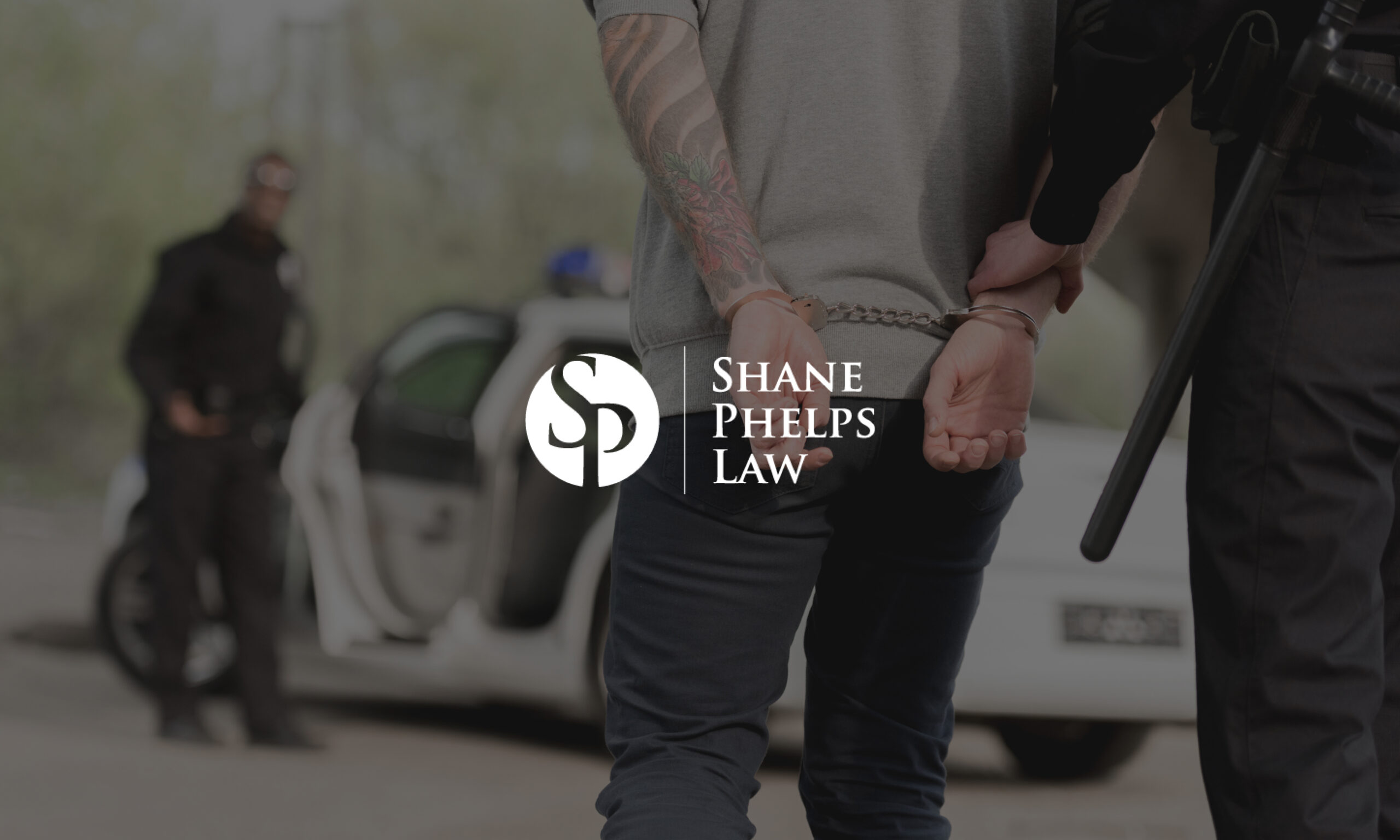
You might be driving home after a late dinner in downtown Bryan or heading back from a game at Kyle Field when the flashing lights appear in your rearview mirror. After a few questions and a roadside test, the officer asks you to blow into a machine or provide a blood sample. You decide to say no. In that moment, your mind is likely racing with questions about what happens next. The period immediately following a refusal is often a blur of paperwork, handcuffs, and confusion, and we understand how heavy this moment feels for you and your family.
Texas law is strict when it comes to suspected driving while intoxicated (DWI). When you refuse to provide a specimen, the legal machinery starts moving right away. It is not just a criminal matter; it is an administrative one that can affect your ability to drive to work, take your kids to school, or simply live your life. Understanding the immediate steps the State of Texas takes can help you regain a sense of control during a very difficult time.
The Statutory Warning and the DIC-24 Form
The moment you tell an officer that you will not provide a breath or blood sample, they must follow a specific procedure. Under Texas Transportation Code § 724.015, the officer is required to read you a formal document known as the DIC-24 Statutory Warning. Providing the warning is not just a formality; it is a legal requirement.
The officer must inform you that your refusal will result in the suspension of your driver’s license for at least 180 days. They must also explain that if you refuse, the fact of your refusal can be used against you in a future criminal trial. After the officer reads this warning, they will ask you one more time if you will provide a sample. If you still say no, the officer will note your refusal and proceed with the arrest.
Many people believe that saying no ends the investigation, but that is rarely the case in Brazos County. Law enforcement officers in Bryan and College Station are trained to move to the next phase of the investigation immediately.
How Law Enforcement Obtains a Blood Warrant
Refusing a breath test does not mean the police will not get a sample of your blood. In Texas, officers can apply for a search warrant to take your blood even if you do not consent. This process happens quickly. According to Texas Code of Criminal Procedure Art. 18.01, a magistrate can issue a warrant if the officer provides an affidavit showing probable cause that you were driving while intoxicated.
In many jurisdictions near Bryan, there are “no refusal” initiatives or judges on standby specifically to sign these warrants. Once a judge signs the warrant, the officer has the legal authority to take you to a hospital or a testing facility to have your blood drawn. At this point, you no longer have the legal right to refuse. Resisting the warrant at this stage can lead to additional charges.
Your Driver’s License and the 15-Day Clock
Perhaps the most immediate “civilian” consequence of a refusal is what happens to your driver’s license. When you refuse a test, the officer will usually take your Texas driver’s license and issue you a DIC-25 form. This paper serves as your temporary driving permit, which is valid for 40 days.
The most critical number you need to remember is 15. You have exactly 15 days from the date of your arrest to request an Administrative License Revocation (ALR) hearing, as outlined by the Texas Department of Public Safety. If you do not request this hearing within that window, your license will be automatically suspended on the 41st day after your arrest.
The Difference Between the Criminal Case and the ALR Hearing
It is common to feel overwhelmed by the fact that you are now facing two separate legal battles. The criminal case happens in a county court at law or a district court in Bryan. Your criminal DUI case determines if you will face jail time, fines, or probation. The ALR hearing is a civil matter handled by the State Office of Administrative Hearings (SOAH).
The two cases are independent of each other. You could win your criminal case but still have your license suspended at the ALR hearing, or vice versa. But the ALR hearing provides a unique opportunity. It gives us a “preview” of the officer’s testimony. If the officer’s story at the ALR hearing does not match their police report, we can use that inconsistency to help your criminal defense.
Why Immediate Action Is Necessary
The hours and days after a DWI arrest can be filled with anxiety. You might be worried about your job or what your neighbors will think. But the legal system does not wait for you to feel ready. The 15-day deadline for your license is ticking, and the prosecutor may already be building their case against you.
Securing legal counsel early can change the trajectory of your case. When we get involved right away, we can often secure the evidence before it is lost or destroyed. We can check for dashcam and bodycam footage from the Bryan Police Department or the Highway Patrol, which often tells a very different story from the written report.
We Are Ready to Help You
If you are facing a serious criminal matter in College Station, Bryan, or anywhere in Brazos County, you need to act. Refusing a breath or blood test creates a complex legal situation, but it is one we handle every day. You do not have to face the state’s lawyers alone.
We offer free consultations to help you understand your options and start building a defense. We treat you as our top priority because we truly care about your future. Our team is here to provide the personal, empathetic, and reassuring representation you deserve during one of life’s most difficult challenges.
Contact Shane Phelps Law today at 979-775-4100. Let us put our decades of experience to work for you. We can help you challenge the evidence and fight for your rights, your future, and your freedom.